Fukushima Now (30) – Part 2: Current State of Post-Accident Operations at Fukushima Daiichi Nuclear Power Station (September 2025 to January 2026)
By Matsukubo Hajime
State of the Plant
The water temperature in the containment vessels and the spent fuel pools (SFPs) shows no great variation despite seasonal temperature changes. The state of releases of Xenon-135 (half-life approximately nine hours), released when uranium fuel undergoes fission, is also unchanged and it can therefore be estimated that the state of the reactors is stable. Further, a maximum of around 15,000 becquerels per hour (Bq/h) of radioactive materials were being released to the atmosphere from the buildings (TEPCO assessment in August 2025, Fig.1).
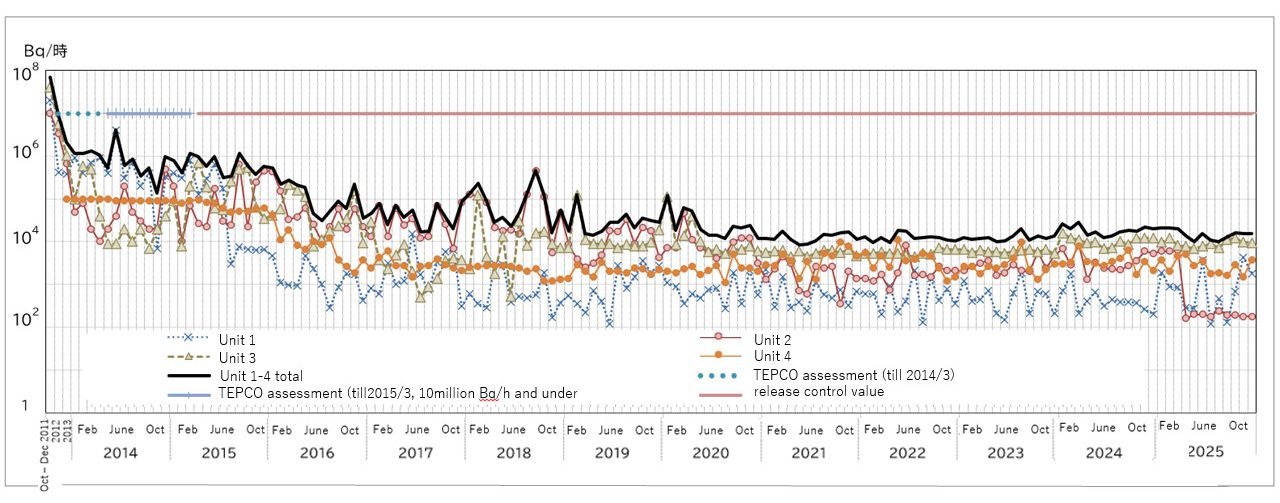
Fig. 1. Radioactivity from Units 1 to 4 of Fukushima Daiichi Nuclear Power Station (Bq/h) released to the air
Decay heat has fallen greatly with the passage of time, and thus the volume of cooling water injected into the reactors has been reduced (falling from 7-10m3 per hour in May 2011 to 1.3~2.5m3 per hour as of January 2026). At the same time, however, the tritium concentration in contaminated water is on a rising trend (Fig.2).
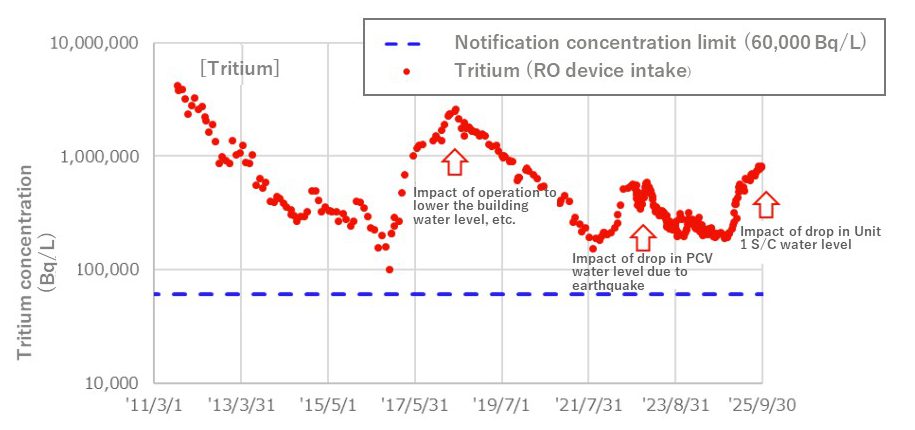
Fig. 2. Changes in Contaminated Water Tritium Concentration
It is thought that the causes of this, which have occurred in association with the work to lower the water level in the suppression chamber (S/C) at the base of the Unit 1 reactor containment vessel, include a) the impact of relatively highly concentrated contaminated water leaking into the reactor building side and b) the reduction of rainwater and groundwater flowing into the reactor building due to countermeasures against contaminated water, thus reducing the dilution of contaminated water. Treated water with a tritium concentration exceeding 1 million Bq/L before dilution cannot be released under the implementation plan, but the concentration is now approaching this level and therefore requires careful observation.
The state of removal of spent nuclear fuel from the SFPs is summarized in Table 1. Spent nuclear fuel removal from Units 3 and 4 has been completed. Preparations are now being made to remove the spent nuclear fuel from Units 1 and 2. Further, the transfer of spent fuel from Unit 6 to the common pool was completed on April 16 and the transfer of spent fuel from Unit 5 to the common pool was begun on July 23.
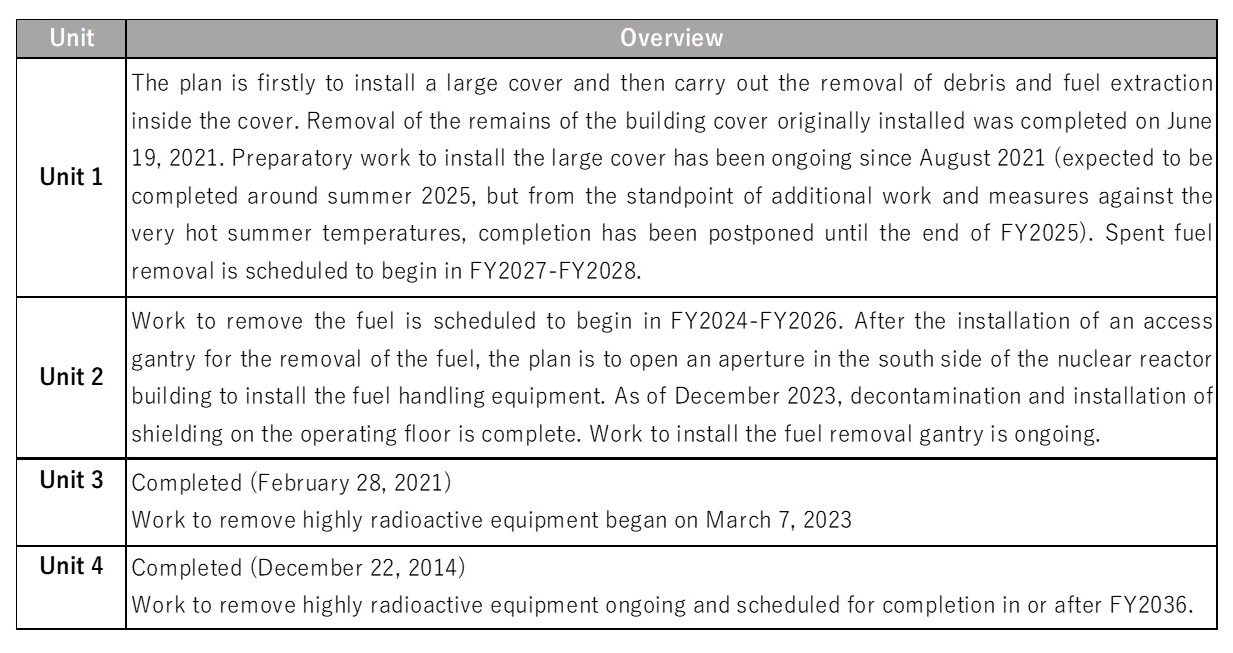
Table 1. State of Spent Fuel Pool Cleanup
Changes in the average number of workers onsite per day is shown in Fig. 3.
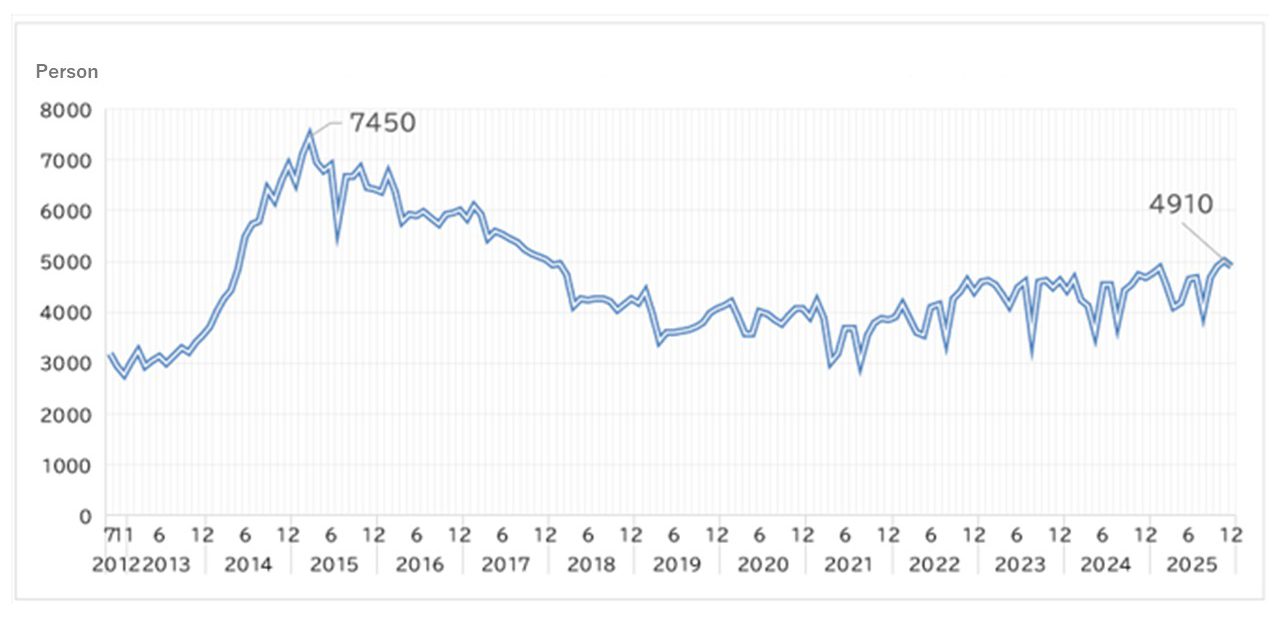
Fig.3. Change in average number of workers (actual values) per day on weekdays
As of December 2025, the number of workers was 4,910. The number of reports of non-compliant work cases is trending downwards (Fig,4).
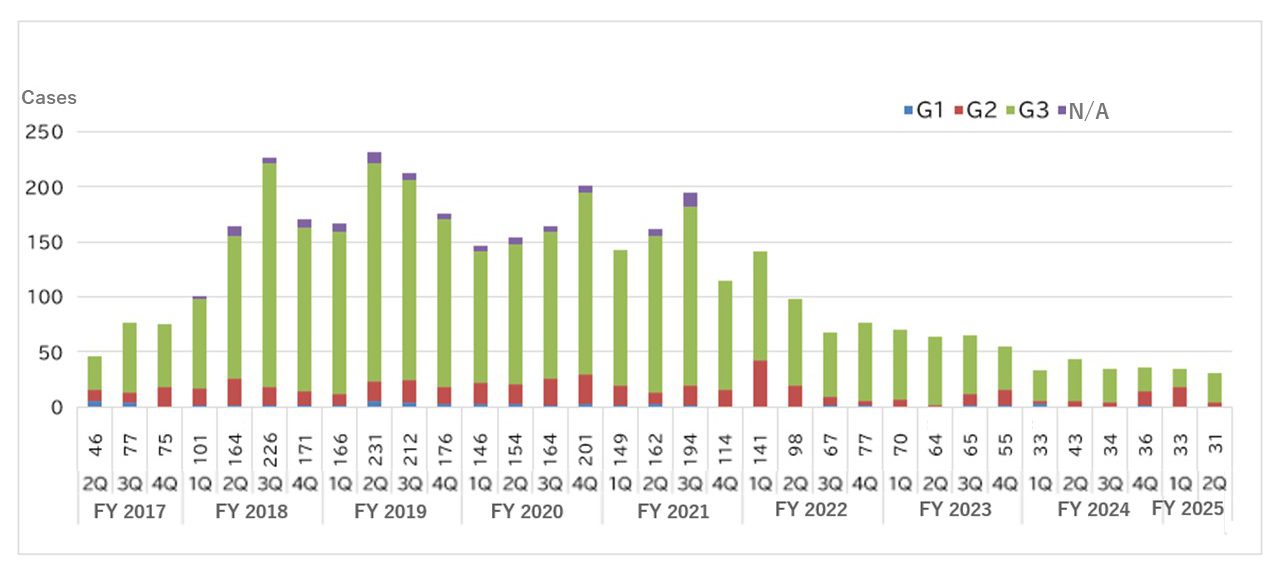
Fig.4. Change in number of non-compliant work cases as reviewed in the Performance Improvement Meeting
State of Contaminated Water
Contaminated water countermeasures at Fukushima Daiichi Nuclear Power Station (FDNPS) can be broadly divided into three areas: 1) Reduction of groundwater flowing into buildings, 2) Reduction of contaminated water flowing into the sea, and 3) Reduction of the toxicity of contaminated water. Countermeasures implemented to reduce water inflow into the buildings are, from higher elevations downward, (A) Pumping up groundwater at the groundwater bypass and releasing it into the sea (1,020,696m3 up to February 5, 2026), B) Installation of a frozen earth barrier (on-land water barrier, total length roughly 1,500m) surrounding FDNPS Units 1-4, C) Pumping up water at the subdrains and releasing it into the sea (1,982,752m3 up to February 4), and D) Paving of the site with asphalt to suppress permeation of rainwater into the soil. Measures to prevent the discharge of contaminated water into the ocean include A) Groundwater leakage prevention by a steel water barrier on the sea side and B) Pumping up of groundwater dammed up behind the sea-side water barrier from the well points and groundwater drains. Due to these measures, the volume of contaminated water discharged, 540m3/day in May 2014, fell to 70m3/day in FY2024 (80m3/day in times of average rainfall). The design lifetime of the on-land water barrier was six to seven years. At the time of installation in 2013, it was planned to carry out waterproofing in locations where groundwater was flowing into the buildings and thaw out the frozen barrier by the end of the design lifetime. Now, 13 years after installation, waterproofing is still not possible and there is no outlook for the removal of the barrier. Ageing of the equipment is becoming a matter for concern.
In the reduction of the toxicity of contaminated water, cesium and strontium are removed, and after the removal of impurities using a reverse osmosis (RO) membrane, the multi-radionuclide removal equipment (ALPS – Advanced Liquid Processing System) then removes 62 radionuclides. The water is then stored in tanks (containing 1,253,996m3 as of January 22, 2026. However, due to past equipment malfunctions and operational policies, around 64% of the stored water exceeds the notification concentration). Oceanic release of the ALPS-treated contaminated water began on August 24, 2023, a total of 133,321m3 being released in 17 batches by December 2025. The total released volume of released tritium for each release and the peak value of the concentration of tritium in seawater less than 3 km from FDNPS are shown in Fig.5.
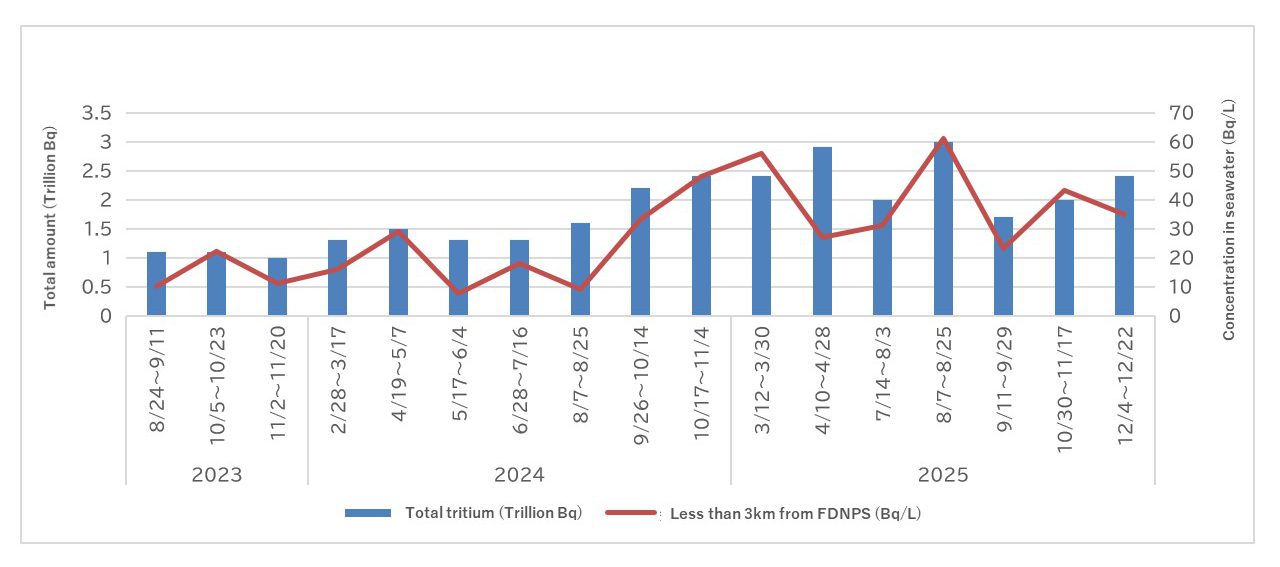
Fig.5. Releases of ALPS-treated water
In addition, as of January 15, 2026, roughly 14,790m3 of water remain in buildings, and a further 11,460m3 of strontium-treated water, etc., 5,637m3 of water treated by RO, and 9,382m3 of concentrated wastewater, etc. also exist onsite. Table 2 summarizes released amounts of the main radioactive substances (except tritium) associated with the oceanic releases of ALPS-treated water.
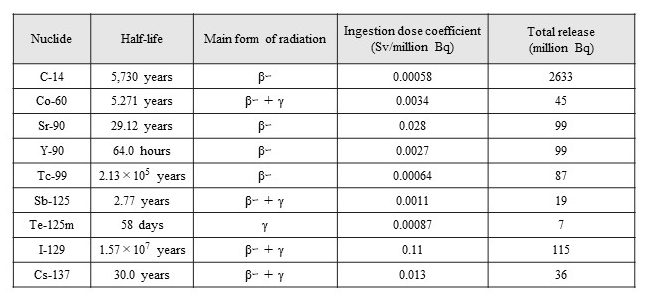
Table 2. Amounts of Main Radioactive Substances Released in ALPS-treated Water Oceanic Releases (Up to 6th release in 2025)
It is clear that extremely large amounts of radioactive substances, including 2.633 billion Bq of carbon-14 and 115 million Bq of iodine-129, have been released.
Further, the number of Unit 1-4 storage tanks containing ALPS-treated water, strontium-treated water, and other water was 1,061 as of January 15, 2026.
List of Accidents at Fukushima Daiichi Nuclear Power Station
(August 2025 to January 2026) (Excerpted from the Nuclear Facilities Information Archive (NUCIA). Publication of some items has been delayed)